
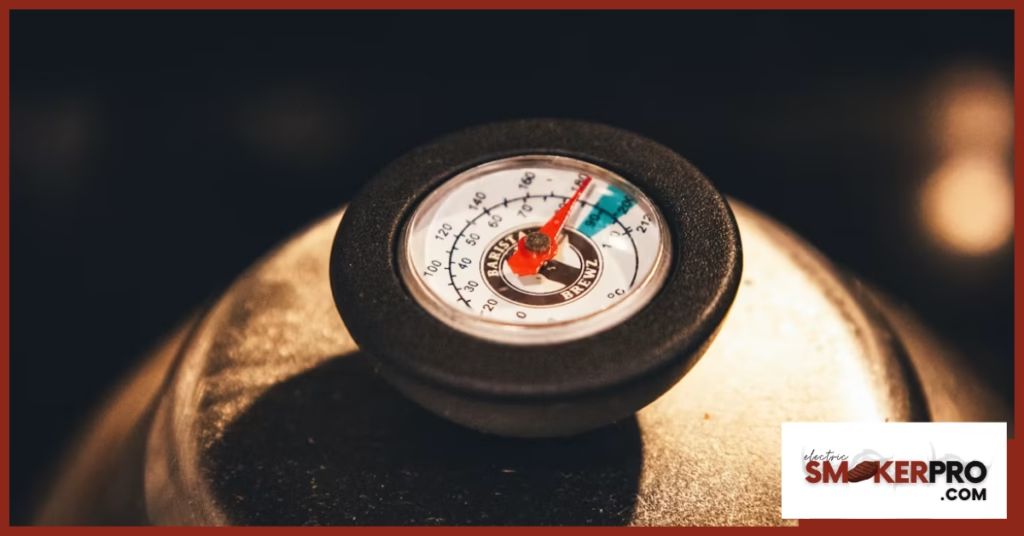
Getting the right balance of temperature and time is essential for successful smoking. Whether you are preparing brisket, pork ribs, chicken, salmon or another favourite cut, understanding electric smoker cooking times can help you achieve tender, flavorful results without overcooking or drying out your food.
Electric smokers make it easier to maintain a consistent temperature than many traditional smokers, but every cut of meat has different requirements. The size, thickness, fat content and type of meat can all affect how long it takes to cook.
The temperature chart below provides a practical starting point for common cuts. However, cooking times should always be treated as guidelines. The most reliable way to determine whether meat is ready is to check its internal temperature with a quality meat thermometer.
List of Contents
Electric Smoker Cooking Times and Temperatures
The ideal smoking temperature depends on the type and cut of food you are preparing. Most large cuts of beef and pork benefit from a low smoking temperature between 225°F and 250°F, allowing the meat to cook slowly while developing a rich smoky flavour.
Fish and seafood are generally more delicate and can be smoked at lower temperatures, usually between 180°F and 200°F.
| Cut | Smoker Temperature | Approx. Cooking Time |
|---|---|---|
|
Beef Brisket |
225–250°F
|
10–14 hours
|
|
Beef Ribs |
225–250°F |
5–6 hours |
|
Thick-Cut Steak |
225–250°F |
1–2 hours |
|
Pork Shoulder / Butt |
225–250°F |
8–12 hours |
|
Baby Back / Spare Ribs |
225–250°F |
4–6 hours |
|
Pork Chops |
225–250°F |
1.5–2 hours |
|
Whole Chicken |
225–250°F |
3–4 hours
|
|
Chicken Breasts / Thighs |
225–250°F |
2–3 hours
|
|
Whole Turkey |
225–250°F |
6–8 hours |
|
Salmon / Trout Fillets |
180–200°F |
1–2 hours |
|
Shrimp / Shellfish |
180–200°F |
30–45 minutes |
These electric smoker cooking times are estimates and can vary depending on the size and thickness of the food, the smoker’s performance and outdoor conditions.
Electric Smoker Cooking Times for Beef Cuts
Beef is particularly well suited to low-and-slow smoking. Large cuts such as brisket contain connective tissue that needs extended cooking to become tender.
Brisket
Temperature: 225–250°F
Cooking time: 10–14 hours
Brisket is one of the most time-intensive cuts to smoke. The exact cooking time depends heavily on the size of the brisket, so use the estimated time as a starting point rather than a strict schedule.
Low temperatures allow the connective tissue and fat to gradually break down. For the best results, monitor the internal temperature throughout the cook and allow the brisket to rest before slicing.
Beef Ribs
Temperature: 225–250°F
Cooking time: 5–6 hours
Beef ribs benefit from several hours in the smoker. The low temperature allows the meat to become tender while absorbing smoky flavour.
Because rib sizes vary, check the meat rather than relying solely on the clock.
Thick-Cut Steak
Temperature: 225–250°F
Cooking time: 1–2 hours
Smoking a thick steak at a low temperature can add depth of flavour before finishing the steak at a higher temperature if desired. The cooking time will depend on the thickness of the steak and your preferred level of doneness.
For steak, internal temperature is particularly important because a few extra degrees can significantly change the final result.
Electric Smoker Cooking Times for Pork
Pork is another excellent choice for electric smokers. Larger cuts can handle long cooking periods, while smaller cuts require considerably less time.
Pork Shoulder or Pork Butt
Temperature: 225–250°F
Cooking time: 8–12 hours
Pork shoulder is a classic low-and-slow smoking cut. Its higher fat and connective tissue content make it suitable for extended cooking.
Allow plenty of time when planning your meal. A larger shoulder may take longer than the estimated range, particularly if the smoker temperature fluctuates.
Pork Ribs
Temperature: 225–250°F
Cooking time: 4–6 hours
Both baby back and spare ribs can be smoked at 225–250°F. Baby back ribs are generally smaller, while spare ribs tend to be larger and meatier.
Check the ribs periodically toward the end of the estimated cooking period. You are looking for tender meat rather than simply reaching a particular number of hours.
Pork Chops
Temperature: 225–250°F
Cooking time: 1.5–2 hours
Pork chops require less time than larger pork cuts. Their thickness has a significant impact on electric smoker cooking times, so thinner chops may finish considerably sooner.
Because pork chops can dry out when overcooked, use a thermometer to check their internal temperature.
Electric Smoker Cooking Times for Poultry
Poultry can take on excellent smoky flavour, but it requires careful temperature control. Unlike large cuts of beef and pork, poultry can dry out if it remains in the smoker for too long.
Whole Chicken
Temperature: 225–250°F
Cooking time: 3–4 hours
A whole chicken typically takes several hours at a low smoking temperature. Size will affect the total cooking time, so a larger bird may require longer than the estimated range.
Always check the thickest part of the meat with a thermometer before serving.
Chicken Breasts and Thighs
Temperature: 225–250°F
Cooking time: 2–3 hours
Chicken breasts and thighs generally cook faster than a whole chicken. Thighs contain more fat and connective tissue, while chicken breasts are leaner and can dry out more easily.
Keep a close eye on internal temperature as the meat approaches the expected finish time.
Whole Turkey
Temperature: 225–250°F
Cooking time: 6–8 hours
Smoking a whole turkey requires careful planning. The size of the bird can have a major effect on cooking time, so avoid planning your meal around the estimated hours alone.
Use a meat thermometer to confirm that the turkey has reached a safe internal temperature before removing it from the smoker.
Electric Smoker Cooking Times for Fish and Seafood
Fish and seafood require a gentler approach than large cuts of beef and pork. Lower smoking temperatures help preserve their delicate texture while allowing them to absorb smoky flavour.
Salmon and Trout Fillets
Temperature: 180–200°F
Cooking time: 1–2 hours
Salmon and trout can develop a rich smoky flavour relatively quickly. The thickness of the fillet will influence how long it takes to cook.
Because fish can become dry if overcooked, start checking it toward the shorter end of the estimated cooking range.
Shrimp and Shellfish
Temperature: 180–200°F
Cooking time: 30–45 minutes
Shrimp and other shellfish require much less time than larger cuts. Their smaller size means they can go from perfectly cooked to overcooked relatively quickly.
Keep cooking times short and monitor them closely.
Tips for Getting Electric Smoker Cooking Times Right
A temperature chart is useful, but successful smoking involves more than setting a timer.
Use a meat thermometer. Internal temperature is the most reliable way to determine whether meat is properly cooked. Insert the thermometer into the thickest part of the meat, avoiding bones where possible.
Keep the smoker temperature consistent. Electric smokers are designed to make temperature control easier, but opening the door frequently can cause heat loss. Check your food when necessary, but avoid repeatedly opening the smoker.
Consider the size and thickness. Two pieces of the same type of meat can have very different cooking times. A thick brisket will take much longer than a small steak, even when both are cooked at the same temperature.
Allow for resting time. Larger cuts benefit from resting after smoking. Resting allows juices to redistribute through the meat and can make the final texture more enjoyable.
Plan for flexibility. Smoking is not always predictable. Outdoor temperature, wind, humidity, meat size and smoker performance can all affect the final cooking time. If you are preparing food for a particular mealtime, allow some extra time rather than expecting the meat to finish at the exact end of the estimated range.
How to Use an Electric Smoker Cooking Times Chart
The best way to use a smoking chart is to combine time, temperature and internal temperature.
Start by setting your electric smoker to the recommended temperature for the cut. Use the estimated cooking time to understand roughly how long the process may take, then begin checking the food as it approaches the lower end of the range.
For example, a pork shoulder may take 8–12 hours at 225–250°F. Rather than assuming it will be ready after exactly eight hours, start checking its internal temperature and tenderness as it approaches that point.
This approach is particularly important with large cuts because cooking times can vary significantly from one piece of meat to another.
Remember that smoking is a gradual process. Keeping the smoker stable and allowing the meat to cook at its own pace will generally produce better results than constantly adjusting the temperature to speed things up.
Conclusion
Understanding electric smoker cooking times makes it easier to plan meals and get consistent results from your smoker. Beef brisket and pork shoulder require several hours of low-and-slow cooking, while ribs, poultry, fish and seafood require shorter cooking periods.
Use the temperature chart as a starting point, but do not rely on time alone. Meat thickness, size and smoker conditions can all affect cooking times. Most importantly, use an accurate meat thermometer to check internal temperature and confirm that your food is properly cooked.
With the right temperature, enough time and a little patience, an electric smoker can turn everyday cuts into tender, flavorful meals with plenty of smoky character.