
List of Contents
Chips vs. Pellets vs. Chunks: What’s the Difference?
Before learning how to use wood chips in electric smoker, it helps to understand the differences between chips, pellets, and chunks. Each produces smoke differently and suits different styles of cooking.
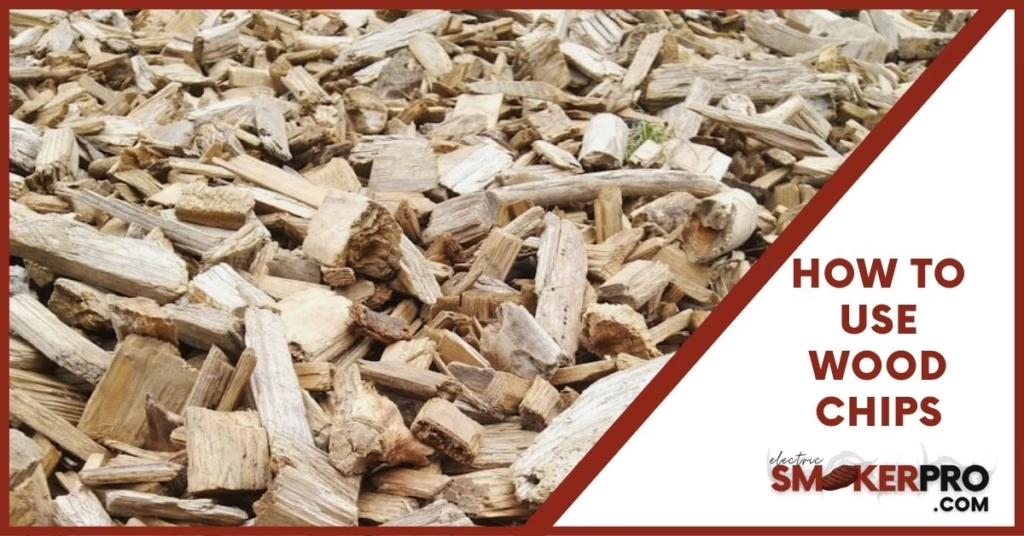
Wood Chips
Wood chips are small, thin pieces of wood that ignite and smoke quickly. They’re ideal for short to medium smoking sessions such as chicken, fish, or vegetables. Because chips burn fast, you’ll usually need to add more throughout a longer cook to maintain steady smoke.
- Burn time: 20–45 minutes
- Smoke density: Light to moderate
- Ideal pairings: Cherry, apple, maple for poultry and pork
Wood chips are also the most common and widely compatible option, making them perfect for learning how to use wood chips in electric smoker setups efficiently.
Wood Pellets
Pellets are compressed sawdust cylinders made for pellet grills, but they can also be used in many electric smokers. They burn evenly and produce consistent, clean smoke. Pellets are easy to handle and store, though not all electric smokers are designed to use them directly, so check your manufacturer’s instructions.
- Burn time: 45-60 minutes
- Smoke density: Moderate, steady
- Ideal pairings: Hickory for brisket, oak for pork, pecan for turkey
Pellets work well if you want low-maintenance consistency once you know how to use wood chips in electric smoker systems that allow pellet conversion or use a pellet tray accessory.
Wood Chunks
Wood chunks are fist-sized pieces that burn long and slow, perfect for all-day cooks like brisket or pork shoulder. However, most electric smokers are too small to fit large chunks directly, so you may need to split them or pre-burn them to fit.
- Burn time: 1–2 hours
- Smoke density: Heavy, robust
- Ideal pairings: Oak, hickory, mesquite for beef and game
If you’re focused on achieving those rich, deep fall flavors, wood chunks can deliver as long as you understand how to use wood chips in electric smoker units that accommodate chunk inserts or modified trays.
Pros and Cons of Each Wood Type in Electric Smokers
When deciding how to use wood chips in electric smoker setups versus pellets or chunks, consider the balance between convenience, smoke intensity, and your cook time.
Wood Chips
- Easy to find
- Fast ignition
- Affordable
- Burns quickly
- Needs frequent refilling
Pellets
- Consistent burn
- Low ash
- Efficient
- May require special tray or tube
Chunks
- Long-lasting
- Intense smoke
- May not fit in smaller smokers
- Slower to start

Best Wood Combinations for Fall Meats
Fall is all about hearty, comforting meals that pair beautifully with stronger smoke profiles. Once you’ve mastered how to use wood chips in electric smoker, experiment with these seasonal combinations:
- Hickory for Brisket: Deep, bold, and classic. Hickory gives beef its signature barbecue flavor.
- Oak for Pork: Smooth and balanced, oak delivers a steady smoke perfect for ribs or pork shoulder.
- Maple for Chicken: Slightly sweet with a mild flavor that complements lighter meats.
- Pecan for Turkey: Rich, nutty, and subtly sweet. A must-try for Thanksgiving.
Mixing small amounts of fruitwood such as apple with stronger hardwoods such as hickory can help layer flavors. Knowing how to use wood chips in electric smoker setups to create these blends adds complexity without overpowering your meat.
How to Load and Maintain Wood for Consistent Smoke
Now that you know the differences, here’s a step-by-step guide on how to use wood chips in electric smoker for clean, consistent smoke.
- Preheat your smoker.
Always start with your smoker preheated to the target temperature before adding wood chips. This helps the chips start smoldering instead of flaming. - Add the right amount.
Start with about ½ cup of chips in the smoker tray. Adding too much can choke airflow and produce bitter, sooty smoke. - Use dry chips unless directed otherwise.
Contrary to old advice, soaking wood chips isn’t necessary for electric smokers. Wet chips produce steam, not smoke. - Monitor smoke color.
Thin, blue smoke means you’re burning cleanly. White or gray smoke means incomplete combustion, so adjust the air vents if possible. - Refill as needed.
Most electric smokers require refilling every 30–45 minutes. Keep extra chips handy to maintain steady smoke during long cooks.
Mastering how to use wood chips in electric smoker effectively is all about balance. Too little smoke and you’ll lose flavor; too much and your food turns bitter.
Avoiding Over-Smoking: What to Watch For
A common mistake when learning how to use wood chips in electric smoker devices is over-smoking. This happens when you add too much wood or burn it inefficiently.
Signs of over-smoking include:
- Thick, white smoke coming from the vent
- Black or ashy residue on your meat
- Bitter, acrid aftertaste
To prevent it:
- Use small batches of chips and monitor smoke color
- Don’t block airflow
- Avoid constantly opening the door, which can change oxygen levels and smoke flow
In smoking, subtlety wins. You’re aiming for gentle layers of flavor, not a cloud of campfire.
Mixing Woods for Complex Fall Flavors
Once you’re comfortable with how to use wood chips in electric smoker, try creating your own seasonal blends. For example:
- Hickory + Apple: Adds sweetness to beef without losing boldness.
- Oak + Maple: Balanced and smooth for pork or poultry.
- Pecan + Cherry: Slightly nutty with a fruity finish, perfect for turkey.
Mixing woods lets you fine-tune the smoke profile and experiment with flavor depth throughout fall and winter.
Troubleshooting Your Smoke
If your smoke seems off, here’s how to fix it fast:
- Too thin or no smoke: Check if your wood tray is getting enough heat. Chips may need replacing or repositioning.
- Smoke too heavy: You may be using too many chips. Try smaller loads.
- Smoke not lasting: Use a mix of chips and pellets. Pellets extend burn time without overpowering.
Learning how to use wood chips in electric smoker setups also means understanding airflow and temperature consistency. Every smoker model behaves a little differently, so practice and observation are key.
Final Thoughts
Mastering how to use wood chips in electric smoker cooking is one of the simplest ways to elevate your backyard barbecue this fall. Whether you stick to quick-smoking chips, consistent-burning pellets, or bold chunks, the key is control: steady smoke, balanced wood selection, and clean combustion.
With the right techniques and a few creative wood pairings, your electric smoker can deliver restaurant-quality results right at home. So fire it up, grab some hickory or oak, and let the rich, warm smoke of fall take your next meal to the next level.